تقطیر جزء به جزء، با تماس مکرر بخار و مایع در داخل یک ستون تقطیر، مخلوط مایع را از هم جدا میکند. هنگامی که مخلوط اجازه جداسازی را میدهد، تبادلات متوالی بخار-مایع، بخار در حال افزایش را در جزء فرارتر غنی میکند؛ چگالش آن بخار، تقطیری با ترکیب متفاوت از خوراک تولید میکند.
کلاهبرداریهای کلیدی
- یک ستون تقطیر، جداسازی را با تکرار تماس چگالش-تبخیر (ریفلاکس و غنیسازی) انجام میدهد، نه با یک رویداد جوشش منفرد.
- جمعآوریشده کسر بخشی از تقطیر است - مدرکی برای خلوص نیست؛ ترکیب آن هنوز نیاز به بررسی تحلیلی مناسب دارد.
- انتخاب ترتیب جداسازی (ساده در مقابل کسری) و فشار عملیاتی (اتمسفر در مقابل خلاء) به عنوان دو تصمیم جداگانه.
- ظروف شیشهای را بر اساس اندازه اتصال، نوع ستون (Vigreux یا packing)، مدل کندانسور، طرح گیرنده و مسیر دریچه یا خلاء اتمسفری مشخص کنید - نه فقط بر اساس ظاهر.
شرکت WUBOLAB ظروف شیشهای آزمایشگاهی مورد استفاده در قطارهای تقطیر را تولید میکند؛ این راهنما روش کار را توضیح میدهد تا خریداران بتوانند اجزا را در برابر یک کار جداسازی تعریفشده مشخص کنند، نه اینکه قطعات کاتالوگ را به عنوان جایگزینی برای یک روش معتبر در نظر بگیرند.
یک بخش ممکن است شامل یک یا چند ترکیب باشد. جمعآوری برشهای جداگانه و اثبات ترکیب آنها وظایف متفاوتی هستند. بخشهای زیر مکانیسم ستون را به دستگاه، انتخاب فشار عملیاتی و بررسیهای لازم قبل از پردازش بخش جمعآوریشده به عنوان محصول مورد نظر مرتبط میکنند. تعاریف تقطیر UCLA · مقدمه تقطیر HKUST
جدول محتوا
- نحوه کار ستون تقطیر
- دستگاه تقطیر کسری
- از تنظیم تا کسرهای جمعآوریشده
- تقطیر ساده در مقابل تقطیر جزء به جزء (و در خلاء)
- کاربردهای آزمایشگاهی و نفتی
- محدودیتهای جداسازی، عیبیابی و ایمنی
- مشخصات ظروف شیشهای آزمایشگاهی
- سوالات متداول تقطیر جزء به جزء
نحوه کار ستون تقطیر
غنیسازی بخار و رفلاکس
یک مخلوط معمولاً طوری رفتار نمیکند که انگار یک مایع منتظر پایان جوشیدن دیگری است. هر دو جزء فرار میتوانند وارد بخار شوند. سهم آنها به ترکیب مایع و تعادل بخار-مایع بستگی دارد: رابطه بین مایع و بخار همزیست در شرایط عملیاتی. برای یک مخلوط قابل جداسازی، بخار میتواند نسبت بیشتری از جزء فرارتر را نسبت به مایع داشته باشد. LibreTexts: نظریه جداسازی
ستون این غنیسازی را تکرار میکند. بخار از فلاسک بالا میآید، با مایع روی سطوح ستون تماس پیدا میکند و تحت چگالش و تبخیر متوالی قرار میگیرد. مایعی که به پایین ستون برمیگردد، رفلاکس است؛ بخاری که به سمت سر ستون ادامه مییابد، در نهایت به کندانسور نهایی میرسد و به تقطیر جمعآوریشده تبدیل میشود. این تماس داخلی چیزی است که جداسازی را فراتر از رویداد جوشش اولیه اضافه میکند. وظیفه کندانسور نهایی بازیابی بخار خروجی به صورت مایع است، در حالی که ستون فرصتهای مکرری را برای تغییر ترکیب آن فراهم میکند. LibreTexts: نظریه تقطیر جزء به جزء
چه مراحل نظری به شما میگویند
یک صفحه نظری (یا مرحله نظری) یک واحد مفهومی جداسازی است: یک تعادل کامل بخار با مایع که بخار را در جزء فرارتر غنیتر میکند. ستونهای واقعی مانند کارتونهای کتابهای درسی حاوی «صفحات» گسسته نیستند؛ در عوض، فرورفتگیها، بستهبندی یا سایر سطوح، تماسهای متوالی زیادی بین تراکم و تبخیر ایجاد میکنند که تقریباً تعدادی مرحله را تشکیل میدهند. مراحل مؤثرتر عموماً به معنای جداسازی واضحتر هستند - تا زمانی که رفتار مخلوط (از جمله آزئوتروپها) یا عملکرد ضعیف، آنچه را که ستون میتواند ارائه دهد، محدود کند.
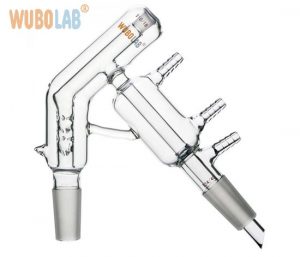
ستونهای Vigreux در مقابل ستونهای پر شده. ستون Vigreux از فرورفتگیهای شیشهای در امتداد دیواره استفاده میکند؛ این فرورفتگیها سطوح تماسی با احتباس مایع نسبتاً کم ایجاد میکنند. یک ستون پر شده، حفره را با پر کردنی پر میکند که مساحت سطح بیشتری را فراهم میکند و بنابراین میتواند راندمان جداسازی بالاتری را برای یک طول مشخص ارائه دهد - اما معمولاً با خیس کردن آن سطوح، مایع بیشتری را حفظ میکند. LibreTexts: ستونهای تقطیر
چرا ماندگاری مهم است؟ مایع باقی مانده روی سطوح ستون هرگز به عنوان محصول به گیرنده نمیرسد. برای نمونههای کوچک، ماندگاری بالا میتواند بخش قابل توجهی از بار یا ترکیب اسمیر را در طول برشها هدر دهد. ستون را برای کار جداسازی و مقیاس نمونه انتخاب کنید ، نه صرفاً بر اساس ارتفاع یا ظاهر.
فقط شهود تصویری (تضمینی نیست): منابع آموزشی گاهی ستونهای کوتاه به سبک ویگرو را به عنوان ستونهایی توصیف میکنند که در شرایط مطلوب، در حد چند صفحه تئوری عمل میکنند، در حالی که ستونهای بلندتر یا با تراکم خوب میتوانند مراحل بیشتری را تخمین بزنند - عملکرد دقیق به تراکم، سرعت جوشش، عایقبندی و خواص مخلوط بستگی دارد. چنین ارقامی را به عنوان وسایل کمک آموزشی مرتبه بزرگی در نظر بگیرید، هرگز به عنوان مشخصات یک ستون خریداری شده در نظر نگیرید. LibreTexts: ستونهای تقسیمبندی
دستگاه تقطیر کسری
متن جایگزین پیشنهادی: دستگاه تقطیر جزء به جزء آزمایشگاهی برچسبگذاری شده که بالن جوش، ستون تقطیر، سر تقطیر با دماسنج در بازوی جانبی، کندانسور با روکش آب و آداپتور منتهی به گیرندهها (یا یک جمعکننده گاو/جزء به جزء) را نشان میدهد.
یک قطار رومیزی معمولی مسیر را از یک فلاسک گرم شده از طریق ستون و سر به یک کندانسور و گیرنده دنبال میکند. ستون تقطیر جزء به جزء، بخش تعیینکنندهای از یک سیستم تقطیر ساده است. از چیدمان مورد تایید آزمایشگاه برای ایجاد هندسه و اتصالات دقیق استفاده کنید. دانشگاه کلرادو: چیدمان جزء به جزء
| جزء | عملکرد | چه چیزی را بررسی کنیم |
|---|---|---|
| فلاسک جوش و گرمکن کنترل شده | مخلوط را نگه دارید و گرم کنید | بالن، روش گرمایش و کنترل جوش که توسط رویه مشخص شده است |
| ستون تقطیر | تماس مکرر مایع-بخار را فراهم کنید | نوع ستون، ابعاد و اتصالات |
| سنسور سر و دما | بخار را به سمت جلو هدایت کنید و آن را اندازه بگیرید | محل قرارگیری سنسور در مسیر بخار |
| کندانسور | تبدیل بخار خروجی به مایع | چیدمان خنککننده و اتصال خروجی |
| آداپتور و گیرنده | انتقال و جمع آوری کسرها | یک توافقنامه دریافت که از تغییرات کسری برنامهریزیشده پشتیبانی میکند |
این عملکردها از مجموعه آزمایشگاهی نمونه که در آزمایش تقطیر کلمبیا شرح داده شده است، پیروی میکنند . پیشینه مرتبط با انتخاب بالن در راهنماهای WUBOLAB برای انواع بالنهای آزمایشگاهی و بالنهای تقطیر آمده است.
چک لیست خریدار / مشخصات
قبل از درخواست پیشفاکتور، متد را به رابطها و شرایط سرویس ترجمه کنید:
- اندازه مفصل — مثلاً ۲۴/۴۰، ۱۹/۲۶، یا سایر استانداردهای جفتسازی مورد استفاده در سراسر قطار؛ آداپتورها و اتصالات، رابطهای جفتسازی هستند که خریداران باید به طور مداوم مشخص کنند.
- نوع ستون — ویگروکس (فرورفتگیها، اغلب ماندگاری کمتر) در مقابل پر شده (سطح بیشتر، راندمان بالقوه بالاتر، مایع نگهداری شده بیشتر)؛ در صورت اطلاع، طول/قطر ترجیحی را یادداشت کنید.
- ابعاد تقریبی — حجم بالن، طول/مخروط ستون، طول پوسته کندانسور.
- سبک کندانسور - لیبیگ، گراهام، آلین یا سایر کندانسورهای تقطیر متناسب با بار بخار و طرح سرمایش.
- طرح گیرنده - گیرندههای تکی، فلاسکهای متوالی، یا یک چیدمان به سبک گاوی / کسری-کلکتوری وقتی برشهای متعدد بدون نیاز به خلأ یا اتصالات شکسته مورد نیاز است (گیرندهها و سختافزار جمعآوری مسیر کوتاه - نه یک صفحه کیت ستون تقطیر کامل).
- دریچه جوی در مقابل مسیر خلاء - تهویه عمدی روش را حفظ کنید، یا یک مسیر خلاء پیوسته با آداپتورهای مناسب طراحی کنید.
- رتبهبندی خدمات خلاء - هنگامی که کاهش فشار برنامهریزی شده است، ظروف شیشهای و مجموعهها را برای سرویس خلاء تأیید کنید؛ برچسب مواد به تنهایی رتبهبندی یک قطار مونتاژ شده را تعیین نمیکند.
تکیهگاهها، دنباله را کامل میکنند. گیرهها باید دستگاه را به طور ایمن و بدون فشار آوردن به شیشه یا ایجاد اتصالات نامتوازن نگه دارند. دانشگاه ورمونت: جابجایی ظروف شیشهای نکات کاربردی جابجایی تجهیزات رایج آزمایشگاههای آلی در راهنمای نکات تجهیزات WUBOLAB خلاصه شده است.
در یک سر دماسنج نمونه، حباب دماسنج نزدیک بازوی کناری قرار میگیرد، بنابراین بخار پیشروی به سمت کندانسور را اندازهگیری میکند. موقعیت دقیق آن از هندسه و روش سر دماسنج پیروی میکند؛ یک حباب در جای نامناسب میتواند قرائت گمراهکنندهای ارائه دهد. دانشگاه کلرادو: قرارگیری دماسنج
برای یک کندانسور معمولی با پوشش آبی، مایع خنککننده جدا از نمونه از میان پوشش عبور میکند. آب از اتصال پایینی وارد میشود و از اتصال بالایی خارج میشود تا پوشش را پر کند. سایر طرحهای کندانسور باید دستورالعملهای تجهیزات خود را دنبال کنند. LibreTexts: اتصالات کندانسور. ترتیب فشار همچنین باید دریچه اتمسفری عمدی روش یا مسیر خلاء طراحی شده را حفظ کند.
نقش کاتالوگ → BOM
| مورد صورتحساب مواد | نقش معمول در کاتالوگ/منبع یابی |
|---|---|
| بالن جوش/تقطیر | دسته بندی های استاندارد فلاسک؛ مراجعه کنید به انواع فلاسک و فلاسکهای تقطیر |
| ستون تقطیر (ویگروکس یا پر شده) | غالبا استعلام / سفارشی وقتی هیچ دسته اختصاصی ذکر نشده است - نوع، ابعاد و اتصالات را مشخص کنید |
| سر تقطیر + دماسنج | هندسه سر و آداپتور دماسنج به عنوان قطعات جفت شونده؛ در صورت عدم وجود در کیت، استعلام کنید |
| کندانسور (لیبیگ، گراهام، آلیهن و غیره) | دسته بندی محصولات کندانسور |
| آداپتور خلاء / تقطیر (در صورت نیاز) | آداپتور با اتصالات و مسیر تهویه یا مکش مطابقت دارد؛ برای اتصالات سفارشی استعلام کنید |
| گیرندههای تقطیر یا گیرنده گاوی | گیرندههای تقطیر / جمعآوری (گیرندهها، گاو، جمعآوری در مسیر کوتاه - نه یک کیت ستونی کامل) |
از تنظیم تا کسرهای جمعآوریشده
ترتیب زیر هدف از اجرا را توضیح میدهد. SOP مخصوص مواد شیمیایی و ارزیابی ریسک، تنظیمات عملیاتی و کنترلهای آن را ارائه میدهند.
- دستگاه را آماده کنید: روش را تأیید کنید، ظروف شیشهای را بررسی کنید، قطار پشتیبانی شده را مونتاژ کنید و ترتیب خنککننده و فشار مورد نیاز را تعیین کنید. برای یک کندانسور غلافدار معمولی، آب کندانسور را از پایین به بالا و از بالا به داخل وصل کنید.
- تقسیمبندی را برقرار کنید: طبق روش، شارژ و حرارت دهید، اجازه دهید تماس مایع-بخار ایجاد شود و سطوح ستون قبل از نیاز به جمعآوری قابل توجه، مرطوب شوند. سرعت جوشش آهسته و ثابت و زمان لازم برای تعادل، جداسازی را بهتر از گرمایش شدید پشتیبانی میکند. گاهی اوقات در آزمایشگاههای عمومی از عایق برای کمک به حفظ گرادیان دما در امتداد ستون استفاده میشود؛ به جای اینکه عایق را به عنوان یک ادعای محصول در نظر بگیرید، دستورالعملهای روش را دنبال کنید.
- برشهای جداگانه را جمعآوری کنید: از سرعت جمعآوری کنترلشدهی روش و گیرندههای با برچسب واضح استفاده کنید. جمعآوری سریع میتواند تعادل مورد نیاز برای جداسازی را مختل کند.
اصل عملیاتی کلیدی این است که به ستون زمان داده شود تا عملکرد جداسازی خود را انجام دهد. LibreTexts: روش تقطیر جزء به جزء
- اجرا را ثبت کنید: دمای سر لوله (دماسنج در مسیر بخار ساید آرم) در کنار حجم جمعآوریشده و هویت کسر. این مشاهدات به شناسایی تغییرات در تقطیر کمک میکند و نشان میدهد که یک دوره جمعآوری در کجا با دوره دیگر متفاوت است.
- نتیجه را ارزیابی کنید: برشهای نامشخص را تا زمان بررسی ترکیب آنها جدا نگه دارید. روند دما به سازماندهی جمعآوری کمک میکند، اما خواندن ثابت به تنهایی خلوص را مشخص نمیکند. آزمایش آزمایشگاهی دانشگاه جورج میسون به صراحت تفسیر دادههای تقطیر را با کروماتوگرافی گازی بررسی میکند. GMU: تفسیر نتایج تقطیر
برای نمونههای آلی فرار مناسب، کروماتوگرافی گازی میتواند به ارزیابی ترکیب کمک کند. تفسیر کمی به یک روش مناسب نیاز دارد: ممکن است قبل از اینکه نواحی پیک، درصد اجزا را نشان دهند، استانداردها و اصلاحات پاسخ آشکارساز ضروری باشند. قبل از ترکیب اجزا یا ادعای موفقیتآمیز بودن خالصسازی، تصمیم بگیرید که کدام نتیجه قابل قبول خواهد بود. کلمبیا: تجزیه و تحلیل نمونههای تقطیر جزء به جزء
- طبق روال مصوب، کار را تمام کنید: قبل از تقطیر خشک بالن، کار را متوقف کنید، سپس مراحل خاموش کردن و خنک کردن از پیش تعیین شده را دنبال کنید. عدم وجود مایع جمع شده بیشتر را به عنوان دلیلی برای افزایش مداوم دما تلقی نکنید. LibreTexts: متوقف کردن یک تقطیر
تقطیر ساده در مقابل تقطیر جزء به جزء (و در خلاء)
چه زمانی از تقطیر جزء به جزء استفاده کنیم
تقطیر جزء به جزء را در موارد زیر در نظر بگیرید:
- مخلوط حاوی دو یا چند مایع فرار که به غنیسازی فراتر از یک مرحله تبخیر-میعان نیاز دارند.
- تقطیر ساده قبلاً ثابت شده است ناکافی برای ترکیب مورد نیاز، یا روش، غنیسازی ناکافی را پیشبینی میکند.
- تو نیاز داری برشهای متعدد که ترکیبات آنها در محدوده جوش تغییر میکند، و شما آن برشها را به صورت تحلیلی تأیید خواهید کرد.
- فراریت نسبی و خلوص مورد نیاز، افزایش زمان ماند ستون، زمان تعادل و پیچیدگی دستگاه را توجیه میکند.
تقطیر ساده ممکن است هنوز هم انتخاب بهتری باشد، به خصوص هنگام جداسازی یک مایع فرار از یک آلایندهی کاملاً غیر فرار، یا زمانی که مخلوط به راحتی و بدون نیاز به تعادل مکرر برای هدف مورد نظر جدا میشود. دانشگاه کلرادو: انتخاب یک رویکرد تقطیر
ساده در مقابل کسری: چیدمان جداسازی
تقطیر جزء به جزء، زمانی که جداسازی اولیه از فلاسک به کندانسور ناکافی باشد، تعادلسازی مکرر را اضافه میکند. با ترکیب خوراک و نتیجهای که نیاز دارید شروع کنید. فراریت نسبی توضیح میدهد که اجزا چقدر متفاوت به فاز بخار تمایل دارند، که به توضیح اینکه چرا برخی از مخلوطها راحتتر از بقیه جدا میشوند، کمک میکند. بنابراین، یک انتخاب مفید، هم مخلوط و هم کار جداسازی - میزان غنیسازی مورد نیاز - را در نظر میگیرد، نه اینکه آیا یک ستون پیچیدهتر به نظر میرسد یا خیر. HKUST: فراریت نسبی و وظایف جداسازی
شکافهای نقطه جوش به صورت سرانگشتی (با احتیاط استفاده شود). کتابهای درسی و منابع آموزشی در مورد یک حد آستانه ΔT واحد اختلاف نظر دارند. برخی منابع مقدماتی، اختلاف نقطه جوش تقریباً ۲۵ درجه سانتیگراد را به عنوان یک مرز تقریبی در نظر میگیرند که به نفع رویکردهای ساده در مقابل رویکردهای کسری است. برخی دیگر خاطرنشان میکنند که مخلوطهایی با نقاط جوش کمتر از حدود ۱۰۰ درجه سانتیگراد ممکن است هنوز برای جداسازی مفید به یک ستون تقطیر نیاز داشته باشند. فراریت نسبی و خلوص مورد نیاز بیش از هر قانون شکاف دمایی واحد اهمیت دارند. حد آستانههای منتشر شده را فقط به عنوان جهتگیری در نظر بگیرید، نه به عنوان معیارهای تصمیمگیری آزمایشگاهی برای یک خوراک خاص. دانشگاه کلرادو: انتخاب یک رویکرد تقطیر · LibreTexts: مروری بر تقطیر کسری
تقطیر جزء به جزء در خلاء
تقطیر در خلاء به معنای عملکرد در زیر فشار اتمسفر است. کاهش فشار، دمای جوش را پایین میآورد، که میتواند عملکرد فشار کاهشیافته را در مواقعی که جوشاندن در اتمسفر نیاز به گرمایش نامطلوب دارد، مرتبط سازد. دانشگاه کلرادو: تقطیر در خلاء
تقطیر جزء به جزء و خلاء گزینههای مستقلی هستند. کاهش فشار، زمانی که اجزا هنوز در دماهای جوش جدید، تقطیر بسیار نزدیکی با هم دارند، جایگزین نیاز به تماس مکرر بخار-مایع نمیشود. بنابراین، تقطیر جزء به جزء در خلاء همچنان از یک ستون (یا مراحل معادل) تحت فشار کاهش یافته، با ظروف شیشهای و آببندهایی که برای سرویس در خلاء طراحی شدهاند، استفاده میکند.
روی نیمکت، دو هندسه رایج را در مقابل هم قرار دهید:
- قطار ستونی کلاسیک — بالن جوش، ستون تقطیر، سرستون، کندانسور و گیرندهها تحت یک مسیر خلاء کنترلشده، زمانی که مخلوطهای حساس به حرارت اما قابل جداسازی در ستون نیاز به تقطیر در دمای پایینتر دارند.
- تقطیر مسیر کوتاه — مسیر بخار کوتاهتر و اهداف هندسی متفاوت، که اغلب برای مواد حساس به گرما، زمانی که به حداقل رساندن زمان اقامت و قرار گرفتن در معرض سطح، بیش از به حداکثر رساندن مراحل نظری در یک ستون بلند اهمیت دارد، ترجیح داده میشود.
دستگاههای تقطیر خلاء صنعتی نیز همین اصل - تقطیر به علاوه کاهش فشار - را نشان میدهند، اما پیکربندی فرآیند آنها الگویی برای ابعاد یا تنظیمات آزمایشگاهی نیست. دانشگاه ایالتی پنسیلوانیا: تقطیر اتمسفری و خلاء
جدول تصمیمگیری دوبعدی
مقایسه را به صورت دو بعدی بخوانید. یک چیدمان جداسازی را انتخاب کنید، سپس شرایط فشار مناسب برای روش را تعیین کنید.
| انتخاب | مشکلی که به آن پرداخته میشود | چه چیزی را تغییر میدهد | چه چیزی هنوز نیاز به بررسی دارد |
|---|---|---|---|
| تقطیر ساده | جداسازی قابل دستیابی بدون ستون تقطیر | از قطار پایه فلاسک به کندانسور استفاده میکند | اینکه آیا تقطیر با ترکیب مورد نیاز مطابقت دارد یا خیر |
| تقطیر جزء به جزء | غنیسازی ناکافی از جداسازی پایه | تعادل مکرر را در یک ستون اضافه میکند | رفتار مخلوط، عملکرد ستون و کیفیت کسر جمعآوریشده |
| عملیات جوی | روشی مناسب در فشار اتمسفر | رژیم فشار را برقرار میکند | شرایط گرمایش و مسیر تهویه مورد نظر |
| عملیات با فشار کاهش یافته | نیاز به جوشاندن در دمای پایینتر | فشار عملیاتی را کاهش میدهد | مناسب بودن دستگاه و شرایط جوش حاصل از آن |
دو ردیف اول مربوط به جداسازی و دو ردیف آخر مربوط به فشار هستند.
این منجر به یک توالی تصمیمگیری عملی میشود: تعریف ترکیب قابل قبول، ارزیابی اینکه آیا تقطیر پایه میتواند به آن برسد، و افزودن جداسازی در جایی که شواهد آن را ایجاب میکند. کاهش فشار به تنهایی دلیلی بر دستیابی به خلوص خاص نیست؛ روش انتخاب شده هنوز هم باید جداسازی مورد نیاز را ارائه دهد.
اگر رفتار تعادلی یک مخلوط مانع از نتیجه مطلوب در فشار پیشنهادی شود، تغییر عملکرد ستون معمولی جایگزین تجدید نظر در روش جداسازی نمیشود. آزئوتروپها نمونه بسیار مهمی از این محدودیت هستند. تحقیقات RSC در مورد محدودیتهای آزئوتروپی
کاربردهای آزمایشگاهی و نفتی
جداسازی و خالصسازی آزمایشگاهی
در آموزش آزمایشگاهی و خالصسازی، جداسازی جزء به جزء برای مخلوطهای مناسب مایعات فرار مفید است، زمانی که غنیسازی مکرر، جداسازی را بهبود میبخشد. سپس میتوان بخشهای جمعآوریشده را بررسی کرد تا ببینیم که ترکیب در طول اجرا چگونه تغییر میکند. آزمایش تقطیر کلمبیا، جمعآوری جزء به جزء را با بررسی ماده جدا شده ترکیب میکند و دستگاه را به یک نتیجه قابل اندازهگیری متصل میکند. کلمبیا: تقطیر آزمایشگاهی
نامیدن یک بخش به عنوان کسر، نحوه جمعآوری آن را توصیف میکند، نه درجه خلوص آن را. یک بخش ممکن است هنوز یک مخلوط باشد، حتی زمانی که دامنه جوش آن با بخشهای مجاور متفاوت باشد. برای یک کار خالصسازی یا بازیابی، قبل از تصمیمگیری در مورد اینکه کدام بخشها مفید هستند، ترکیب مورد نیاز را تعریف کنید. UCLA: معنی کسر
برشهای پالایشگاهی، مخلوطهایی در محدوده جوش هستند.
پالایشگاههای نفت، فرآیند تفکیک را برای مخلوط بسیار وسیعتری اعمال میکنند. تقطیر اتمسفری، نفت خام گرم شده را به بخشهایی مرتبط با دامنههای جوش مختلف جدا میکند؛ بخشهای سبکتر در برج بالاتر و بخشهای سنگینتر در پایین قرار میگیرند. تبدیل، تصفیه و ترکیب بیشتر، بخشی از تولید فرآوردههای نفتی نهایی هستند. بنابراین، یک بخش پالایشگاهی نباید به عنوان یک ماده شیمیایی خالص توصیف شود یا به طور خودکار با یک سوخت نهایی معادل گرفته شود. EIA ایالات متحده: فرآیند پالایش
مواد سنگینتر میتوانند تحت فرآیند تقطیر در خلاء قرار گیرند تا در شرایط فشار کاهشیافته جداسازی شوند. این عملیات پالایشگاهی همان تمایز بین تقطیر در فشار و تقطیر در فشار را نشان میدهند، اما پیکربندی فرآیند آنها با یک قطار شیشهای رومیزی متفاوت است. از مثال صنعتی برای درک اصل مطلب استفاده کنید، نه برای انتخاب ابعاد آزمایشگاهی یا تنظیمات عملیاتی. دانشگاه ایالتی پنسیلوانیا: واحدهای تقطیر پالایشگاهی
محدودیتهای جداسازی، عیبیابی و ایمنی
تشخیص تعادل و محدودیتهای عملیاتی
در یک ترکیب آزئوتروپیک، مایع و بخار بدون تغییر ترکیب در فشار تعیینشده، همزمان تقطیر میشوند. تقطیر جزء به جزء معمولی در آن فشار نمیتواند به غنیسازی مخلوط از طریق آن مرز ادامه دهد. ترکیب خوراک نیز در آنچه میتوان به آن دست یافت، اهمیت دارد. وقتی خلوص مورد نظر با این رفتار در تضاد باشد، مشکل در جداسازی پیشنهادی نهفته است، نه صرفاً در داشتن ستون خیلی کوتاه. LibreTexts: آزئوتروپها
نتایج ناامیدکننده دیگری نیز میتواند از عملیات حاصل شود. خیس شدن سطح در ستون مورد انتظار است، اما تجمع قابل توجه مایع یا حرکت آن به سمت بالا نشان دهنده طغیان است. جمعآوری بیش از حد همچنین میتواند تماس مورد نیاز برای تفکیک را کاهش دهد. این مشاهدات را به عنوان دلایلی برای پیروی از مقررات توقف و بررسی روش در نظر بگیرید، نه اینکه با افزایش گرما جبران کنید. LibreTexts: طغیان و جمعآوری
همچنین، اگر دمای اندازهگیری شده غیرمنتظره باشد، پس از توقف و خنک شدن ایمن دستگاه، سنسور باید بررسی شود. اگر پروب خارج از مسیر بخار مورد نظر قرار گیرد، ممکن است مقدار گمراهکنندهای را گزارش دهد، بنابراین قبل از اینکه مقدار اندازهگیری شده را به عنوان تغییر در ترکیب تفسیر کنید، موقعیت آن را با دستورالعملهای تنظیم مطابقت دهید. راهنمای قرارگیری دماسنج
خطرات گرمایش و کاهش فشار را کنترل کنید
از رویه معتبر آزمایشگاه، ارزیابی خطر شیمیایی و کنترلهای حفاظتی مورد نیاز استفاده کنید. ظروف شیشهای را قبل از استفاده بررسی کنید، بدون اینکه اتصالات را مجبور به تراز کردن کنید، آنها را نگه دارید و از بستن بیش از حد گیرهها خودداری کنید. قرار گرفتن در معرض مواد شیمیایی و تغییرات دمایی که مجموعه تجربه خواهد کرد، از جمله در هنگام راهاندازی و خنکسازی را در نظر بگیرید. دانشگاه ورمونت: جابجایی ایمن ظروف شیشهای
ضربه زدن میتواند مایع را ناگهان از دستگاه پرتاب کند. از کنترل جوش تجویز شده استفاده کنید و هرگز سنگ جوش را به مایعی که نزدیک به جوش است اضافه نکنید. مواد شیمیایی تشکیل دهنده پراکسید نیاز به توجه ویژه دارند زیرا تقطیر میتواند بقایای خطرناک را غلیظ کند. اینها خطرات خاص مواد شیمیایی هستند که باید قبل از شروع حرارت دادن، ته نشین شوند. کورنل: ایمنی تقطیر
یک سیستم اتمسفری به مسیر تهویهی در نظر گرفته شده نیاز دارد و تقطیر باید قبل از خشک شدن فلاسک متوقف شود. این الزامات را در مراحل راهاندازی و خاموش کردن دستگاه رعایت کنید. LibreTexts: اقدامات احتیاطی دستگاه و خاموش کردن
برای کار با فشار کم، از ظروف شیشهای بازرسیشده که برای سرویس خلاء تأیید شدهاند، با محافظت مناسب و نحوهی صحیح کار با پمپ برای تخلیهی هوا استفاده کنید. برچسب مواد به تنهایی نمیتواند رتبهبندی سرویس یک قطار مونتاژ شده را تعیین کند. کورنل: شیشه تحت خلاء
دستگاه را به تدریج و طبق روش تایید شده تخلیه کنید تا از ضربه خوردن آن جلوگیری شود. دانشگاه کرنل: تقطیر با فشار کاهش یافته
مشخصات ظروف شیشهای آزمایشگاهی
قبل از درخواست قیمت، روش را به مشخصات قطعه تبدیل کنید. سازگاری شیمیایی و محدودیتهای سازنده را برای سرویس مورد نظر تأیید کنید، نه اینکه فرض کنید قطعاتی که از نظر بصری مطابقت دارند، قابلیت یکسانی دارند. دانشگاه ورمونت: انتخاب ظروف شیشهای مناسب
یک تحقیق مفید باید شامل موارد زیر باشد:
- مخلوط: هویت شیمیایی و محدوده ترکیب مورد انتظار.
- هدف جدایی: مقیاس دستهای، کیفیت کسر مورد نیاز و بررسی تحلیلی برنامهریزیشده.
- شرایط عملیاتی: شرایط فشار و دمای پیشنهادی از روش اعتبارسنجی شده.
- ستون و رابطها: طراحی ستون (ویگروکس یا آکنده)، ابعاد، انواع اتصالات و اجزای جفت شونده.
- ترتیب جمعآوری: الزامات کندانسور (لیبیگ / گراهام / آلین یا موارد دیگر)، هندسه آداپتور و تغییرات گیرنده (از جمله کلکتور گاوی / کسری در صورت لزوم).
- مستندات: نقشهها، اطلاعات سازگاری و محدودیتهای سرویس مورد نیاز برای ارزیابی مجموعه پیشنهادی.
از این لیست به عنوان درخواست تأیید استفاده کنید؛ این لیست مشخصات هیچ محصول خاصی را نشان نمیدهد.
نحوه استعلام: با WUBOLAB تماس بگیرید و نوع اتصالات (مثلاً 24/40)، ابعاد تقریبی، سرویس فشار (اتمسفریک یا خلاء) و ترجیح ستون (Vigreux در مقابل بستهبندی شده) را ذکر کنید. از صفحات مربوط به کندانسورهای آزمایشگاهی و گیرندههای تقطیر ذکر شده شروع کنید ؛ ستونهای تقطیر و اتصالات سفارشی معمولاً وقتی به عنوان یک دسته اختصاصی ذکر نشدهاند، با استعلام بررسی میشوند . ابعاد جفت شدن و شرایط عملیاتی مورد نظر را نیز ذکر کنید تا بحث بتواند بر روی گزینههای اجزا و مستندات مورد نیاز برای ارزیابی تناسب تمرکز کند.
سوالات متداول تقطیر جزء به جزء
آیا تقطیر جزء به جزء همیشه مایعات خالص تولید میکند؟
خیر. تقطیر جزء به جزء، اجزا را فقط تا جایی که رفتار تعادلی مخلوط اجازه میدهد، غنی میکند؛ یک آزئوتروپ میتواند جداسازی معمولی را در یک فشار ثابت محدود کند. وقتی ترکیب مهم است، یک جزء جمعآوریشده را با یک روش تحلیلی مناسب ارزیابی کنید. LibreTexts: ارزیابی آزئوتروپها و جزء.
آیا رفلاکس همان تقطیر جمعآوریشده است؟
خیر. رفلاکس، مایعی است که از طریق ستون برمیگردد تا در تماس مایع و بخار شرکت کند. تقطیر، بخشی است که در خارج از مسیر جداسازی داخلی، متراکم و جمعآوری میشود. این تمایز توضیح میدهد که چرا جمعآوری سریعتر لزوماً به معنای جداسازی بهتر نیست. نظریه ستون تقطیر
آیا تقطیر جزء به جزء میتواند تحت خلاء انجام شود؟
بله. جداسازی در خلاء به مراحل جداسازی مکرر اشاره دارد، در حالی که خلاء به کاهش فشار عملیاتی اشاره دارد. در صورتی که مخلوط و دستگاه با روش مطابقت داشته باشند، میتوان آنها را با ظروف شیشهای که برای سرویس فشار کاهش یافته تأیید شدهاند، ترکیب کرد. الزامات جداسازی در خلاء و ظروف شیشهای در خلاء.
برای تقطیر جزء به جزء به چه دستگاهی نیاز دارم؟
یک قطار رومیزی معمولی به یک بالن جوش، ستون تقطیر (Vigreux یا پر شده)، سر تقطیر با دماسنج در بازوی جانبی بخار، کندانسور و گیرندهها یا یک جمعکننده گاو/فرکشن - به علاوه دریچه اتمسفر یا مسیر خلاء مورد نیاز روش - نیاز دارد. در صورت لزوم، اندازه اتصالات و درجه خلاء را مشخص کنید؛ به دستههای کندانسورها و گیرندههای تقطیر مراجعه کنید و در صورت عدم وجود ستونها، در مورد آنها سوال کنید. دانشگاه کلرادو: چیدمان کسری
ویگرو در مقابل ستون تقطیر فشرده - کدام را انتخاب کنیم؟
بر اساس وظیفه جداسازی و مقیاس نمونه انتخاب کنید. ستونهای Vigreux (تورفتگیهای شیشهای) اغلب مایع کمتری را در خود نگه میدارند؛ ستونهای پر شده سطح بیشتری را فراهم میکنند و میتوانند راندمان بالاتری ارائه دهند، اما معمولاً ماندگاری بیشتری دارند - که برای نمونههای کوچک اهمیت دارد. ارتفاع به تنهایی یک قانون انتخاب کافی نیست. LibreTexts: ستونهای تفکیک
گیرنده تقطیر گاو برای چیست؟
یک گیرنده گاوی (چند بازویی) به شما امکان میدهد بدون جدا کردن کامل مجموعه، تقطیر را به فلاسکهای مختلف هدایت کنید - این ویژگی هنگام جمعآوری بخشهای متوالی، از جمله تحت فشار کم، مفید است، زیرا شکستن اتصالات باعث از دست رفتن خلاء میشود. این یک وسیله جانبی جمعآوری است، نه جایگزینی برای ستون تقطیر. به گیرندههای تقطیر / سختافزار جمعآوری مراجعه کنید.
ابتدا نیازهای جداسازی و فشار را تعریف کنید، تصمیم بگیرید که چگونه بخشهای جمعآوریشده بررسی خواهند شد، سپس ظروف شیشهای را مطابق با الزامات قطعه و سطح مشترک حاصل درخواست کنید.