Class A Volumetric Flasks for Standard Solutions and Accurate Dilution


◎Complies with ISO 1042 and DIN 12664.
◎Manufactured from chemically resistant borosilicate glass.
◎Polyethylene stopper.
product description
Clear Volumetric Flasks Product Code F2028xxxx
| Product Code | Capacity (ml) | Tol. (± ml) | Height (mm) |
| F20280001 | 1 ml | 0.020 | 65 |
| F20280002 | 2 ml | 0.020 | 65 |
| F20280005 | 5 ml | 0.020 | 70 |
| F20280010 | 10 ml | 0.020 | 90 |
| F20280020 | 20 ml | 0.03 | 110 |
| F20280025 | 25 ml | 0.03 | 110 |
| F20280050 | 50 ml | 0.05 | 140 |
| F20280100 | 100 ml | 0.08 | 170 |
| F20280200 | 200 ml | 0.10 | 210 |
| F20280250 | 250 ml | 0.12 | 220 |
| F20280500 | 500 ml | 0.20 | 260 |
| F20281000 | 1000 ml | 0.30 | 300 |
| F20282000 | 2000 ml | 0.50 | 370 |
| F20285000 | 5000 ml | 1.00 | 475 |
Amber Volumetric Flasks Product Code F2029xxxx
| Product Code | Capacity (ml) | Tol. (± ml) | Height (mm) |
| F20290001 | 1 ml | 0.020 | 65 |
| F20290002 | 2 ml | 0.020 | 65 |
| F20290005 | 5 ml | 0.020 | 70 |
| F20290010 | 10 ml | 0.020 | 90 |
| F20290020 | 20 ml | 0.03 | 110 |
| F20290025 | 25 ml | 0.03 | 110 |
| F20290050 | 50 ml | 0.05 | 140 |
| F20290100 | 100 ml | 0.08 | 170 |
| F20290200 | 200 ml | 0.10 | 210 |
| F20290250 | 250 ml | 0.12 | 220 |
| F20290500 | 500 ml | 0.20 | 260 |
| F20291000 | 1000 ml | 0.30 | 300 |
| F20292000 | 2000 ml | 0.50 | 370 |
| F20295000 | 5000 ml | 1.00 | 475 |
Volumetric flask uses
Use a volumetric flask when the final solution volume must be controlled. Typical applications include preparing standard solutions, making accurate dilutions, preparing sample solutions and supporting quantitative laboratory analysis. It is not a general heating or reaction flask; choose an Erlenmeyer or round-bottom flask when mixing, boiling or distillation is the primary task.
How to use the calibration mark
1. Clean the flask and check that the stopper and calibration line are undamaged.
2. Add the solute and enough solvent to dissolve it safely.
3. Mix until the solute is fully dissolved and allow the solution to reach the method’s stated temperature.
4. Add solvent until the bottom of the meniscus is level with the calibration mark at eye height.
5. Insert the stopper and invert the flask several times to homogenize the solution.
For a formal measurement or verification, follow the applicable laboratory method rather than treating this short procedure as a calibration certificate. See WUBOLAB’s volumetric glassware calibration procedure for the measurement workflow.
How to choose the right model
– Capacity: choose the nominal volume required by the method; do not use a larger flask and assume the same accuracy.
– Tolerance: compare the stated tolerance with the method requirement and the product documentation for the exact capacity.
– Clear or amber glass: use clear glass for general work. Use amber glass when the solution is sensitive to light, subject to the method and chemical-compatibility review.
– Stopper: confirm that the polyethylene stopper and neck fit the intended handling and storage workflow.
– Documentation: when a controlled method requires a particular class, certificate or batch record, request the applicable document with the quotation.
For a practical check of capacity and tolerance, link to how to determine whether a volumetric flask is qualified. For adjacent equipment, link to the laboratory flasks category.
Class A vs Class B
Class A and Class B identify different tolerance grades. The required grade depends on the method, accuracy target and documentation requirement. Match the grade and tolerance to the exact capacity and current product documentation; do not infer a grade from the flask’s color, shape or nominal volume alone.
FAQ
What is a Class A volumetric flask used for?
It is used to prepare standard solutions, accurate dilution solutions and sample solutions to a specified final volume.
How do I choose a volumetric flask capacity?
Choose the nominal capacity stated by the laboratory method, then verify the listed tolerance and product code for that size.
What is the difference between a volumetric flask and a beaker?
A volumetric flask is calibrated for one specified volume. A beaker is a general-purpose container whose graduations are normally approximate, so it should not replace a volumetric flask for standard-solution preparation.
Should I choose a clear or amber volumetric flask?
Choose clear glass for routine work. Choose amber glass only when the solution or method requires light protection and the material is suitable for the application.
Can you supply another capacity or configuration?
Send the required capacity, color, quantity, destination and documentation requirements through the WUBOLAB contact page. The exact model, grade and commercial terms should be confirmed for the project.
Related products

Conical Flasks with Ground Socket
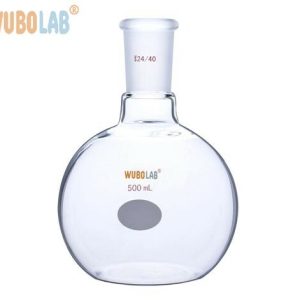
Laboratory FlasksFlat Bottom Flasks Socket
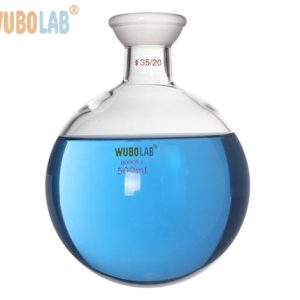
Laboratory FlasksRound Bottom Flasks Spherical Socket
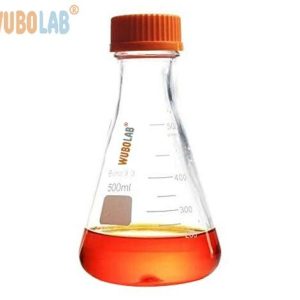
Laboratory FlasksConical Flasks Screwcap
Laboratory Flasks