
Desiccators
Products Catalogue

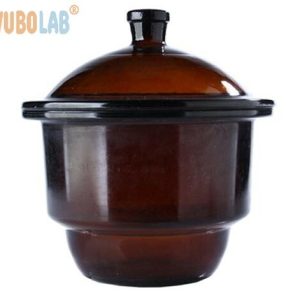
Amber Desiccators with Porcelain Plate
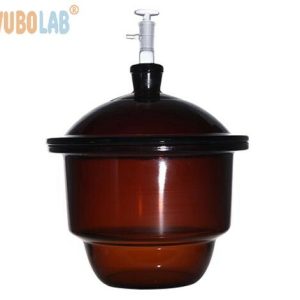
DesiccatorsAmber Vacuum Desiccators with Porcelain Plate
DesiccatorsClear Vacuum Desiccators with Porcelain Plate
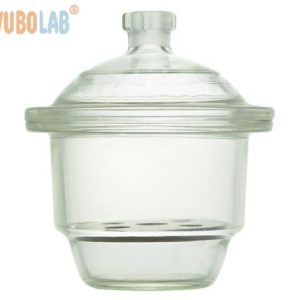
DesiccatorsDesiccators Clear with Porcelain Plate
Desiccators

Desiccators Manufacturer & Supplier | Laboratory & Industrial Dry Storage Solutions
Searching for reliable desiccators for laboratory drying, moisture-sensitive storage, or industrial moisture control? [WUBOLAB] is a professional desiccators manufacturer and supplier providing a full range of laboratory desiccators, vacuum desiccators, glass desiccators, plastic desiccators, and desiccator cabinets for global customers.
Our desiccators help maintain a low-humidity environment to protect samples, chemicals, pharmaceuticals, and precision components from moisture-related degradation, contamination, or unwanted chemical reactions.
✅ Factory Direct Pricing | ✅ OEM/ODM Customization | ✅ Export-Ready Packaging | ✅ Global Shipping
Request a Quote to receive model recommendations, specifications, and lead time support.
What Is a Desiccator?
A desiccator is a sealed container used to store moisture-sensitive items under controlled humidity conditions. It typically works with a desiccant (e.g., silica gel, activated carbon, or molecular sieves) to keep internal humidity low.
Typical lab & industrial uses:
Drying samples and cooling after heating or oven processes
Storing hygroscopic powders, reagents, and chemicals
Protecting electronics, optical parts, and precision components
Preserving pharmaceutical ingredients and intermediates
Preventing moisture absorption during weighing or transfer
Desiccator Types We Supply
Glass Desiccators (Standard Laboratory Desiccators)
Glass desiccators provide excellent visibility and chemical resistance, ideal for routine lab drying and storage.
Best for: general lab use, sample storage, chemical compatibility
Key advantages: high transparency, reliable sealing, stable performance
Plastic Desiccators (Impact-Resistant Dry Storage)
Plastic desiccators (polycarbonate/acrylic) are designed for environments where glass may be too fragile.
Best for: teaching labs, production floors, high-traffic facilities
Key advantages: impact resistance, lightweight handling, cost-effective
Vacuum Desiccators (Enhanced Drying Efficiency)
Vacuum desiccators connect to a vacuum pump to reduce pressure and minimize moisture—ideal for moisture-critical samples.
Best for: precision drying, moisture-sensitive materials
Key advantages: low-pressure environment, faster moisture removal, better dryness control
Desiccator Cabinets (Large-Capacity Dry Storage Cabinets)
Desiccator cabinets provide scalable dry storage with multiple shelves for batch or high-throughput workflows.
Best for: high-volume labs, production, multi-sample storage
Key advantages: organized shelving, larger capacity, easy access and monitoring
Heat-Resistant Desiccators (Elevated Temperature Use)
For applications requiring dry storage in warmer environments, heat-resistant desiccators offer improved thermal tolerance.
Best for: specialized processes with elevated temperatures
Key advantages: stable dry storage under higher heat conditions
Key Benefits of [WUBOLAB] Desiccators
Effective Moisture Control: Helps reduce degradation, contamination, clumping, and moisture-driven reactions
Multiple Materials & Sizes: Glass, plastic, vacuum models, and cabinets to match different environments
User-Friendly Design: Easy sealing, convenient access, and clear visibility (especially glass models)
Durable Construction: Built for daily lab operation and industrial handling
Stable Storage Performance: Consistent low-humidity storage when used with appropriate desiccants
Applications & Industries Served
Applications
Laboratory sample drying and storage
Moisture-sensitive chemical storage
Pharmaceutical packaging and ingredient protection
Electronics/optics dry storage
QC/QA labs and calibration environments
Research institutes and university labs
Industries
Laboratory & research
Pharmaceuticals & biotech
Chemical processing
Electronics manufacturing
Food testing & materials science
Industrial production & quality control
How to Choose the Right Desiccator (Quick Buying Guide)
1) Choose the Material
Glass desiccator: best visibility + lab-grade chemical resistance
Plastic desiccator: best impact resistance + rugged environments
2) Define Dryness Requirement
Standard storage: glass/plastic desiccator + desiccant
Maximum dryness / sensitive samples: vacuum desiccator
3) Select Capacity
Small or medium sample volume: bench-top desiccators
High volume storage: desiccator cabinet
4) Consider Operating Conditions
Elevated temperature workflows: heat-resistant desiccator
Frequent access: cabinets or durable plastic models may be preferred
Not sure which model fits? Send your use case and storage volume—our team will recommend the best option.
Specifications & Customization (OEM/ODM Available)
We support OEM/ODM customization based on your project requirements, including:
Size and capacity options
Material selection (glass/plastic)
Vacuum interface configuration (for vacuum desiccators)
Shelf quantity and layout (for cabinets)
Sealing structures and accessories
Branding, labeling, and export packaging options
Factory supply for distributors, wholesalers, and project buyers is available.
Recommended Desiccants for Desiccators
Common desiccants include:
Silica Gel: general-purpose, widely used, often reusable
Activated Carbon: moisture reduction + odor adsorption
Molecular Sieves: deeper drying for demanding low-humidity storage
Selection depends on target humidity and material sensitivity. We can recommend suitable desiccants for your application.
Why Source Desiccators from [WUBOLAB]?
Manufacturer Direct: consistent quality control and stable supply
Competitive Pricing: optimized for bulk orders and long-term sourcing
Global Shipping: export-ready support for international customers
Customization Capability: OEM/ODM for unique lab or industrial requirements
Technical Support: selection guidance for models, sizes, and accessories
Request a Quote for pricing, datasheets, and model recommendations.
FAQs
1) What is the difference between a glass desiccator and a plastic desiccator?
Glass desiccators offer higher clarity and strong chemical resistance, making them common in laboratories. Plastic desiccators are more impact-resistant and often preferred in industrial or high-traffic environments.
2) What does a vacuum desiccator do?
A vacuum desiccator removes air using a pump to create a low-pressure environment. This helps reduce moisture more effectively and is used for sensitive samples requiring enhanced dryness.
3) Are desiccators used in pharmaceutical production?
Yes. Desiccators are widely used to protect moisture-sensitive pharmaceutical ingredients, intermediates, and products, helping maintain quality and shelf life.
4) Do you offer OEM/ODM desiccators?
Yes. We provide OEM/ODM customization including size, materials, shelving, vacuum configuration, branding, and packaging.
5) Which desiccant is best for a desiccator?
Silica gel is the most common for general drying. Molecular sieves are preferred for deeper drying requirements. The best choice depends on your target humidity and stored materials.
Explore Our Desiccator Range
Browse our full selection of laboratory desiccators, vacuum desiccators, and desiccator cabinets to find the right solution for moisture control.
Contact [WUBOLAB] now to get a quote, datasheet, and model recommendation for your application.